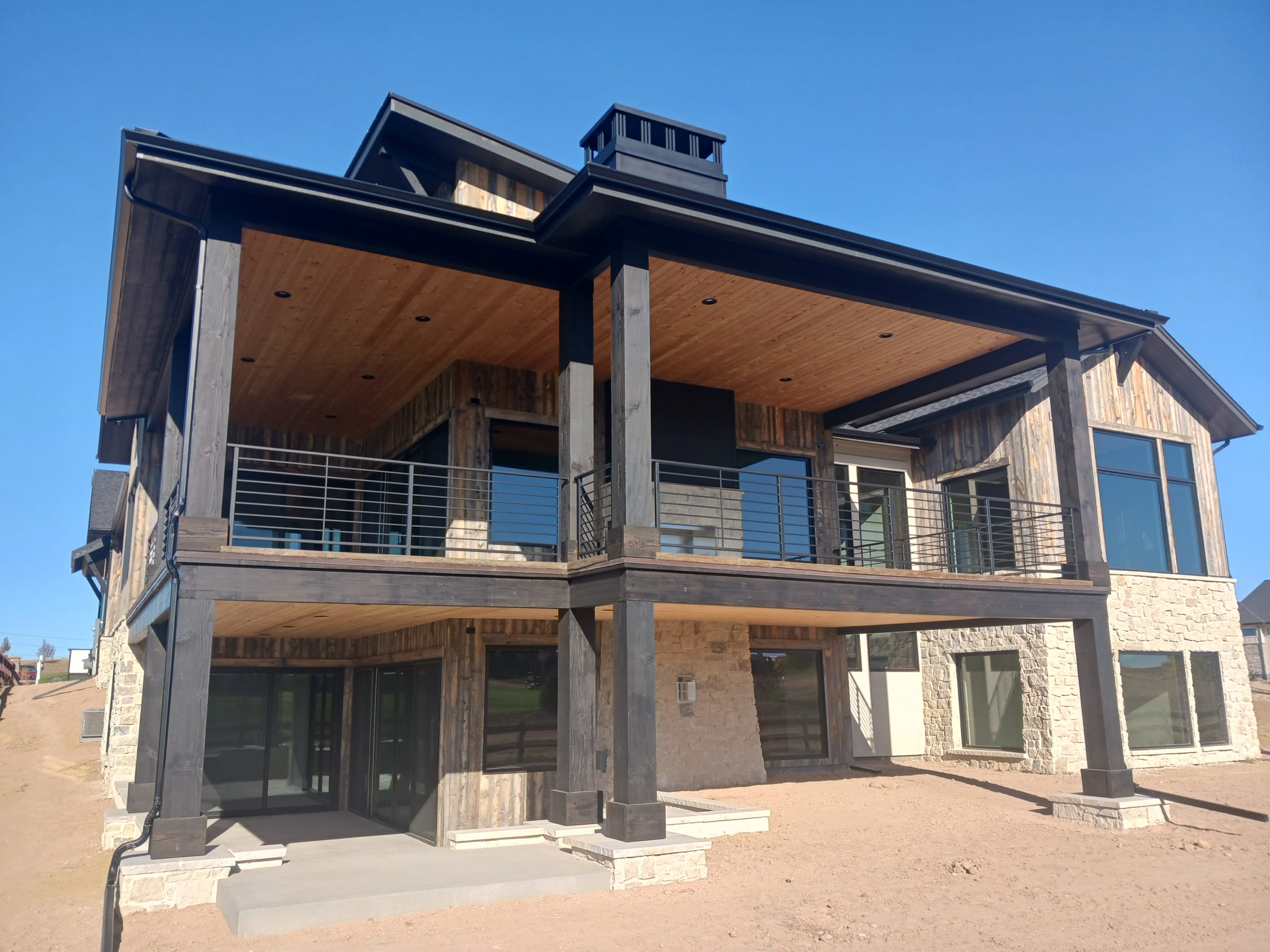
House painting professionally done by a painting contractor is a cost-effective way to protect and improve your home’s appearance. Whether you’re looking to breathe new life into your living space, increase your property’s value, or simply protect your home from the elements, this comprehensive guide to painting a house has got you covered. From choosing the perfect colors to mastering professional techniques, we will walk you through everything you need to know to transform your home with a fresh coat of paint.
In this guide, you will discover:
- Why residential painting is more than just a cosmetic upgrade
- How to choose the right colors and finishes for every room
- Step-by-step instructions for painting like a pro house painting contractor
- Common mistakes to avoid and how to fix them
- Cost-effective tips to save money without compromising quality
- When and why to call in the professional house painters
So, grab your brushes and rollers. It’s time to unleash your inner artist and give your home the makeover it deserves! Let’s dive!
What is a House Painting?
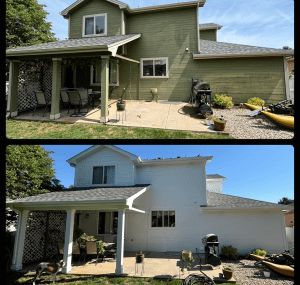
House painting is the process of covering the surfaces of a home with paint or similar coatings. House painting contractors improve the look of the house and protect it from damage. This includes painting both the interior and exterior. Surfaces like walls, trim, and siding are common areas to paint. Proper surface preparation is important to ensure the paint sticks well and lasts longer. .
Choosing the right type of paint is key to getting the best results. Paints come in various finishes which are designed for different surfaces and conditions. The size of the house and the number of coats required can impact the cost and time needed for the job.
Why is Painting a House Important?
Painting a house is an essential part of the maintenance and improvement of a home. One of the benefits of a professional house paint service is its long-lasting protection. A high-quality paint job protects the house against harsh weather conditions. Moisture and other elements can cause paint damage or even structural issues over time. That is why the right paint color and type of paint are needed. Through the help of expert painting contractors, you can enhance your home’s appearance, making it more attractive and welcoming. Explore our article for helpful tips on selecting the right paint colors for your home.
House paint creates a layer of protection against rain, heat from the sun, and wind. It prevents damage to wood siding, vinyl siding, and even brick surfaces. It also seals uneven surfaces. Applying exterior paints that resist wear, also extends the life of a home’s structure. This is crucial in reducing additional costs like stucco repairs or replacing damaged siding.
House Paint Enhances Aesthetic Appeal
A fresh coat of paint can completely transform a home’s appearance. It can boost its curb appeal and create a clean look. Whether using light colors to brighten a space or a dark color for a bold contrast, the right paint types make an impact. For example, professional house painters know how to achieve a perfect finish with a satin finish or matte paint to match the style of any home.
House Paint Increases Home Value
A good home painting project not only improves the visual appeal but also increases the property’s market value. A high-quality paint job adds to the overall perception of the home, making it more desirable for potential buyers. Exterior residential painting services can significantly raise the average sale price of a home. If you need assistance, you may reach out to our Greeley house painting contractors.
What are the Different Types of Residential Painting Projects?

Residential painting projects vary depending on the needs of the homeowner and the areas of the home that require attention. Each type of painting project has its benefits, challenges, and requirements. That is why understanding the different types of paint and the right approach is important for each project if you are not hiring a house painting contractor. By that, you can ensure a lasting finish that enhances the beauty and value of your property.
Below are the most common home painting projects, their importance, and what you need to know about each.
Interior Painting
Interior painting is essential for improving the appearance of a home’s living spaces. It can completely transform the atmosphere of a room by refreshing the walls, ceilings, and trim with the right paint color and type of paint. Interior painting often requires several coats of paint. An interior painting contractor applies paint to ensure a lasting finish and help protect surfaces from wear and tear. Using high-quality paint ensures durability. Selecting between flat paints, oil-based paints, and other types of paint plays a crucial role in achieving a high-quality paint job. For inspiration, explore our guide on the best interior paint colors to help you choose the perfect shades for your spaces.
Exterior Painting
Exterior painting is a critical part of home maintenance, as it protects your home from potential damage. A high-quality exterior paint job professionally done by an exterior painting contractor prevents damage caused by weather, UV rays, and moisture. This project typically starts with Power washing to remove loose paint and dirt. This ensures a smooth surface for the paint product to adhere to. Exterior painting services not only protect but also increase curb appeal. As a result, your home gets more attractive and potentially increases its value. Check out our guide on exterior home colors to find inspiration and ideas.
Touch-Up Painting
Touch-up painting addresses minor imperfections like chips or scratches. It extends the life of a high-quality paint job without requiring a full repaint. This type of painting project is cost-effective and helps maintain the home’s appearance at a cheaper price and faster ways. Touch-up painting contractor ensures that your walls look fresh and well-maintained.
Decorative Painting
Decorative painting is a more artistic approach to home painting. Decorative painting contractor adds personal style and flair to a home. In this method, techniques such as stenciling, murals, or textured finishes are commonly used. It creates unique focal points and elevates a room’s aesthetics. However, it often requires professional painters to achieve the desired effect. Moreover, it requires additional costs due to its complexity.
Accent Wall Painting
Accent wall painting involves selecting one wall in a room to stand out by using a contrasting paint color or design. This type of project allows homeowners to create a focal point without painting an entire room. It’s a simple yet effective way to refresh a space and bring personality to a room. A trusted accent painting contractor can help you choose the right paint product and finish. This ensures a polished result that complements the room’s overall design. For ideas on complementary shades, explore our guide on the best white paint colors for interior walls to achieve a balanced and stylish look.
Cabinet Painting
Cabinet painting is an affordable way to upscale kitchens or bathrooms. A high-quality paint job on cabinetry can modernize the space, making it look cleaner and more contemporary. Using the right types of paint, such as durable oil-based paints, cabinet painting contractors ensure that the paint adheres properly and withstands daily use. This project is particularly popular for homeowners looking to refresh their spaces on a budget.
Deck and Fence Painting
Deck and fence painting plays a vital role in preserving outdoor structures by protecting them from the elements. Using durable exterior paints or stains can extend the life of decks and fences, keeping them looking great for years. This type of project requires thorough surface preparation. An example of this is cleaning and sanding. Deck and fence painting contractors apply the paint product correctly. A fresh coat of paint or stain not only enhances the appearance of outdoor spaces but also provides an extra layer of protection.
What Types of Paint You Can Use for Your Home?
When planning to paint your house, it is essential to understand the types of paint you can use. Each paint product has distinct advantages, and selecting the right one ensures a smooth and long-lasting finish. In exterior painting projects or tackling the interior, knowing the paint types available is vital. This will help you choose the best option for your needs.
Below are some of the most popular types of paint, their benefits, and potential drawbacks. This will provide you with all the information you need for your painting project.
Latex (Water-Based) Paint
Latex paint, commonly referred to as water-based paint, is a top choice for both interior and exterior home painting contractors. This durable paint dries quickly and is easy to clean with water. It is a convenient option for homeowners and professional house painters. The paint quality is high, offering a smooth finish with fewer coats of paint. However, latex paint may not adhere as well to glossy surfaces. It also requires an additional surface preparation for uneven textures. It’s best for exterior painting services on smooth surfaces, brick surfaces, or wood siding.
Oil-Based Paint
Oil-based paints are known for their durability and ability to provide a high-quality finish on a variety of surfaces. They are often used for exterior home painting and areas prone to high foot traffic or exposure to various objects. The slow drying time allows the paint product to self-level, reducing the appearance of brush marks. But, oil-based paints have a stronger odor and require solvents like mineral spirits for cleanup. These paints are best suited for expert house painting contractors working on exterior paint jobs that demand an extra layer of durability.
Acrylic Paint
Acrylic paint is a versatile and high-quality paint. It is popular for residential painting projects due to its flexibility and durability. It holds up well under varying weather conditions, making it ideal for exterior painting services. Acrylic paint also resists fading, which is a great benefit for maintaining curb appeal. However, it may require more coats of paint than oil-based options to achieve a perfect finish. This paint type is a smart choice for both interiors and exteriors where durability is key.
Satin or Eggshell Finish
A satin finish or eggshell finish is commonly used for areas where you need a slight sheen without the high gloss. It’s a great option for common spaces like living rooms and hallways, offering a professional finish. This paint can hide imperfections better than a gloss finish. The drawback is that it may not be as durable as glossier finishes, so it may not be ideal for high foot traffic areas. However, it provides a balance of sheen and ease of cleaning. That’s why it is also the best bathroom paint as satin or eggshell finishes come with mildew-resistant additives.
Semi-Gloss Finish
Semi-gloss paint offers a shinier finish than satin paint and is highly resistant to moisture. This means that it is perfect for bathrooms, kitchens, and other areas prone to humidity. It’s easy to clean and adds a bright, polished look to smooth surfaces. However, it does tend to highlight imperfections more than flat paints, so thorough surface preparation is essential. This paint type is often used in exterior painting jobs to give a glossy finish to trim and shutters.
Gloss Finish
A gloss finish provides the highest level of shine and durability. It is ideal for exterior painting projects or areas with high foot traffic. It creates a reflective surface that enhances the paint color. It also adds an elegant look to traditional siding or high-tech vinyl siding. However, the gloss finish will show any loose paint or surface flaws, requiring extra care during the painting process. It’s a top choice for doors, window frames, and adjacent surfaces.
Flat or Matte Paint
Flat paints or matte finishes offer a non-reflective finish. This is perfect for concealing imperfections on walls and ceilings. While it provides a sophisticated look, it is not as durable as other finishes and may show paint splatter or wear in high foot traffic areas. Flat paints are best used in rooms with minimal wear and tear or for interior painting projects where a smooth surface isn’t a top priority.
Masonry Paint
Masonry paint is designed specifically for brick surfaces, concrete, and synthetic stucco. It offers excellent coverage and protection from moisture. This makes it essential for exterior home painting in areas with high humidity or harsh weather conditions. This paint product not only enhances the appearance of your home but also provides a protective barrier against water damage. The key benefit is its longevity and resistance to peeling. However, it can be more expensive than regular exterior paints.
Low-VOC or Zero-VOC Paint
Low-VOC (volatile organic compounds) or Zero-VOC paints. This is an eco-friendly option that releases fewer harmful chemicals into the air. They are ideal for homeowners who prioritize indoor air quality. This is best used in areas where people spend a lot of time, such as bedrooms and living rooms. These paints reduce exposure to toxic fumes. It is also a safer choice for business owners or families with children. However, they may not be as durable as traditional paints. Extra coats of paint may be required to achieve the desired high-quality result.
How to Choose the Best Paint Color for Your Home?
Understanding how various elements interact will ensure that your residential painting project delivers a stunning and harmonious result. By considering a few essential factors, you can create a cohesive and aesthetically pleasing space.
Consider the Room’s Purpose
Every room in your home serves a different function, and the paint color should reflect that purpose. For example, a bedroom may benefit from soft, calming tones, while a home office might need a more energizing light color. Choosing the right color for the room enhances its atmosphere. This will make the space more functional and inviting. This consideration also prevents the color from clashing with the room’s use. It also ensures a professional finish that complements the entire house.
Test with Natural and Artificial Light
Lighting can alter the appearance of paint colors. It is crucial to test how your chosen shade looks under both natural sunlight and artificial lighting. Natural light can make light colors appear brighter. On the other hand, dark colors can look muted in dim lighting. This is particularly important in small spaces, like bathrooms, where lighting can significantly impact the perception of color. Choosing from the best colors for small bathrooms can help you achieve a balanced and inviting look.
Artificial lighting can create warm or cool effects that change how paint quality is perceived throughout the day. Testing beforehand ensures you avoid surprises and helps achieve a high-quality paint job. It also helps to consider how the color adapts to different lighting conditions.
Factor in the Size of the Space
The size of the room plays a significant role in how paint colors are perceived. Smaller spaces often benefit from light colors. There are best paint colors for small spaces that make the room feel larger and airier. Meanwhile, larger rooms can accommodate dark colors for a cozier atmosphere. By considering the square footage, you can strategically use color to either open up a space or create a more intimate setting, enhancing the room’s overall appeal.
Complement Your Existing Décor
Choosing a paint color that harmonizes with your existing furniture, décor, and architectural elements ensures a balanced and cohesive look. A professional painter can help identify shades that work well with your current style, whether you have traditional siding or brick surfaces. Complementing your décor gives your home a unified and polished appearance.
Use Color Psychology
Colors can influence mood and atmosphere. This makes color psychology a powerful tool when selecting paint for your home. Warm colors, such as reds and yellows, can create a lively and welcoming environment. Cooler tones like blues and greens promote calmness and relaxation. By understanding the psychological impact of colors, you can choose shades that not only look good but also enhance the mood of each space.
Start with a Neutral Base
Neutrals provide a timeless and versatile foundation for any room. Starting with a neutral base allows flexibility in adding colored paint for accent pieces or trim. Neutrals also make it easier to change your décor over time without needing a complete repaint. High-quality paint in a neutral shade can elevate the look of your space while providing a clean, modern backdrop.
Try Accent Walls
If you want to introduce bold or contrasting colors without overwhelming a room, consider using an accent wall. This technique allows you to experiment with dark colors or vibrant hues while keeping the space balanced. Accent walls can highlight architectural features or create focal points. This helps in enhancing the visual interest of your home. It’s an easy way to add personality to your décor without committing to a single color for the entire room.
How to Paint Your House Effectively?
To ensure a high-quality result that enhances the appearance and longevity of your home, each step in the painting process is the key. Regardless of whether you’re a condo owner or a homeowner tackling an entire house, Following a structured method ensures that every square foot of your property gets the attention it deserves. By using high-quality paint and taking time to prepare properly, you can achieve a professional finish that lasts. Here’s how to effectively paint your house while avoiding common pitfalls:
Plan Your Project
Proper planning is essential to any successful residential painting project. Begin by assessing the square footage of the surfaces you need to cover. This will help in calculating the amount of paint product required. This also helps avoid additional costs from purchasing more supplies than necessary or running out in the middle of the project. Also, consider weather conditions, especially for exterior painting services. Dry days are ideal to prevent paint from drying too quickly or too slowly.
Gather Materials
Having the materials before starting the painting project saves time and ensures efficiency. Gather high-quality paint, brushes, rollers, and tarps to cover floors or nearby items. If you’re tackling exterior painting house, consider renting or using a power sprayer. This ensures an even coverage on larger surfaces like house siding or brick surfaces. Be sure to have everything ready to avoid last-minute trips to the store.
Prepare the Area
Surface preparation is crucial for achieving a perfect finish. Remove any loose paint by scraping and sanding down areas that are peeling. For wood siding or traditional siding, make sure the surface is smooth before applying the coats of paint. Clean the surfaces thoroughly. Power washing is effective for removing dirt and debris that can affect how well the paint adheres. This is especially important for areas with high foot traffic.
Prime the Surfaces
Priming is an essential step in ensuring your painting jobs last. A good primer provides a solid base for the types of paint you choose, especially on previously unpainted areas or surfaces prone to stains. Priming also helps seal porous surfaces like gypsum wall panels. This ensures an even look when applying colored paint. Without proper priming, even high-quality paint may not adhere correctly. As a result, paint peels or fades quickly.
Allow Proper Drying Time
Drying time between coats is key to achieving a high-quality paint job. Each layer, from primer to the final coat of paint, needs sufficient time to dry to prevent bubbling or cracking. Typically, oil-based paints take longer to dry than latex painting products, so plan accordingly. Rushing this step could cause serious issues like paint damage or uneven finishes.
Clean Up
After the painting process, cleaning up is vital for a polished result. Remove any tape or coverings carefully, and clean your brushes and rollers thoroughly to keep them in good condition for future use. Make sure to dispose of any leftover paint or materials responsibly. This not only helps maintain a clean workspace but also reflects the quality of the professional finish you aim to achieve.
Final Touch-Ups
After everything dries, check for any imperfections. Perform touch-up painting on areas that need extra attention. Do this, especially on uneven surfaces or where there may have been paint splatter. Taking the time for final adjustments ensures a flawless appearance. This leaves your house with a fresh, clean look that boosts curb appeal.
How to Paint House Walls Correctly?

When done properly, painting walls helps in achieving a professional finish. Proper techniques ensure not only aesthetic appeal but also a longer-lasting result that saves time and money in the long run. To achieve a high-quality paint job, you need to follow essential steps. This includes surface preparation, taping, priming, and applying even coats. These steps will help homeowners and business owners alike avoid common pitfalls like peeling or uneven coats of paint.
Prep the Surface
Prepping the surface is an important step in achieving a professional finish. A well-prepared wall ensures the paint product adheres smoothly. It stops peeling and paint damage over time. This step includes tasks like cleaning the walls and removing loose paint. It also includes smoothing out uneven surfaces with drywall repair or stucco repairs. This critical stage creates a smooth surface for the actual painting. Without this, even the highest-quality paints won’t provide the desired high-quality result.
Use Painter’s Tape
Using painter’s tape guarantees clean lines. It also prevents paint splatter on adjacent surfaces, like baseboards or ceilings. This simple step can improve the appearance of your painting project by ensuring that edges and corners remain sharp and clean. It also helps avoid time-consuming touch-ups later on. It can reduce both time consumed and additional costs.
Prime First
Priming the walls is essential for ensuring a high-quality paint job. It provides a foundation for the paint types you choose and helps enhance paint quality. This is due to the wall being prevented from absorbing too much paint. This step is important for porous or previously untreated surfaces. Examples of this are plaster walls or wood siding. Skipping the primer could lead to an uneven finish. Priming also ensures better coverage when applying colored paint.
Cut in Before Rolling
Cutting in refers to painting the edges and corners of walls with a brush before using a roller on the larger areas. This technique ensures that these tricky sections get full coverage without leaving streaks or gaps. By cutting in first, you ensure a smooth transition between brushstrokes and roller marks. This contributes to a perfect finish. This method is key to achieving a truly professional finish for your entire house.
Apply Thin, Even Coats
Applying thin, even coats is vital for avoiding drips, streaks, and uneven coverage. Two to three thin layers provide more durability than a single thick coat. It is done to ensure the paint dries uniformly and delivers a smooth, long-lasting finish. This method works best whether you’re using oil-based paints or Latex paint. Thin coats also reduce the chance of paint damage and the need for future touch-ups. As a result, the painting project is more cost-effective in the long run.
What Painting Mistakes Do Homeowners Often Make and How to Fix Them?
Several common mistakes can compromise the quality of the work. This leads to additional costs and wasted time. Avoiding these errors is key to achieving a high-quality paint job. Understanding the common mistakes is important. This can help ensure that your painting project produces the perfect finish.
Here are the most common mistakes and how to avoid them for the best exterior paint job possible.
Skipping Surface Preparation
Surface preparation is crucial for ensuring that the paint product adheres correctly. Neglecting to clean, sand, or repair uneven surfaces can result in peeling and flaking. Always invest in Power washing and address any drywall repair or stucco repairs before starting to paint.
Ignoring Primer
Skipping a primer can affect how the paint color appears and reduce the durability of the paint. A primer is especially important for exterior painting projects. It provides a solid base for the final coats of paint. It also ensures better coverage, especially when switching from a dark color to a light color.
Using Cheap Tools
Using low-quality brushes or rollers can leave streaks or paint splatter. To ensure a professional finish, always opt for tools that are suited for the type of paint. Use suitable brushes, whether it’s for oil-based paints, matte paint, or latex paint.
Overloading the Brush or Roller
Overloading a brush or roller with too much paint can lead to drips and uneven application. Apply thin, even layers for the best results. Multiple thin layers of high-quality paint will provide a more durable finish.
Not Using Painter’s Tape Correctly
Incorrect use of painter’s tape can lead to uneven edges and sloppy lines. This happens especially around adjacent surfaces like trim or windows. Ensure the tape is securely pressed down before painting. This is to avoid paint splatter and remove it immediately after the final coat of paint is dry.
Painting in Bad Weather
Painting in poor weather conditions can affect the drying process of the paint. This can lead to blistering, peeling, or uneven texture. For exterior painting services, always check the weather forecast. Avoid painting on very humid or windy days to ensure a high-quality exterior paint job.
Skipping Multiple Coats
Applying just one coat of paint might seem like a time-saver. However, it often results in poor coverage and an inconsistent finish. Always plan for multiple coats to ensure the durable paint job you’re aiming for.
Rushing the Drying Process
Rushing the drying process can lead to smudges, smears, and uneven coverage. Be patient, and allow each coat of paint to fully dry before applying another layer. This is especially important for exterior painting jobs. Weather can further affect the drying time.
Using the Wrong Paint Type
Choosing the wrong paint types for the surface can result in poor adhesion, peeling, or cracking. For example, flat paints work well for low-traffic areas. Oil-based paints, on the other hand, are more durable for high-traffic zones. For exterior painting, ensure you’re using high-quality and weather-resistant exterior paint. This is to ensure that it can withstand weather conditions.
Frequently Asked Questions
How Much Does House Painting Cost?
The average painting cost of a house in Colorado varies depending on several factors. For example, the square footage of the home, the type of paint used, and the condition of the surfaces to be painted.
For exterior painting, the cost per square foot can range from $1.50 to $4.00 or more. Additional costs can arise if drywall repairs or extensive surface preparation are needed. For instance, homes with loose paint or uneven surfaces like wood siding, brick surfaces, or synthetic stucco may require extra attention, which increases the overall cost.
It’s important to use high-quality paint to ensure a long-lasting finish, though this can raise the price. On average, a square-foot house can cost between $2,000 and $8,000 for a full exterior paint job in Colorado.
How Long Does It Take to Paint a House?
The time it takes to complete a residential painting project depends on the size of the home, the type of paint being used, and the condition of the surfaces.
For an exterior painting job, a typical painting team can take anywhere from three to seven days to finish. Homes with traditional siding, wood siding, or high-tech vinyl siding may require more time. This is due to surface preparation and the number of coats of paint needed. Other factors like weather conditions, power washing, and the drying time of the paint product can also affect the timeline.
For a large square footage house, the painting process can take longer, especially if the home requires multiple coats of paint or specific repairs, like stucco repairs.
When is the Best Time to Paint a House?
Timing is crucial when planning an exterior painting project. The best time to paint is during mild weather, typically in spring or fall, when temperatures range between 50 and 85 degrees Fahrenheit.
Exterior painting services are most effective when conditions are dry, and the temperature allows for even drying of the paint. Painting during high humidity or extreme heat can affect the paint quality and lead to paint damage down the road. Homeowners should also consider the seasonal availability of professional painters as many home painting contractors charge higher rates during peak seasons. Check out our guide to know how to hire the best painting contractor.
When Should You Hire a Professional House Painter?
Hiring a house painting contractor is recommended for anyone looking to achieve a high-quality paint job with a durable and long-lasting finish.
Experienced house painters are skilled at preparing surfaces, including removing loose paint, sanding down uneven surfaces, and applying additional layers for protection. They also know how to handle more complex painting projects, like painting over dangerous lead paint or working on homes with shared walls and adjacent surfaces. House painting contractors offer accurate estimates for exterior painting jobs and ensure that the painting process is completed efficiently and professionally. This includes using the right paint types and products, like regular water-based or oil-based paints, for the best results.
Everything You Need to Know About Painting Your House
House painting is a great way to improve its curb appeal and protect it from the elements. Whether you’re planning a small touch-up or a full exterior painting process, it’s essential to consider the cost, timing, and expertise required. Also, hiring exterior painting professionals ensures a high-quality result that will stand the test of time, especially if you invest in high-quality exterior paint. With proper planning and the help of a skilled painting contractor, your home will look refreshed and well-maintained for years to come.
At Old World Painting Family, we combine timeless craftsmanship with a family-oriented approach to deliver high-quality, detail-driven painting services across Northern Colorado. With over 25 years of experience, we work with homeowners, property managers, contractors, and business owners on everything from new builds to remodels—always with a focus on clear communication, dependable scheduling, and personalized results. We treat every project like it’s our own and every client like family, which is exactly what our name stands for. Services include residential painting, commercial painting, and expert staining and lacquering.
Visit us at:
Old World Painting Family
231 52nd Ave, Greeley, CO 80634
Phone: 970-534-1911
Read our reviews to see what our clients are saying, or find us on Google Maps below: