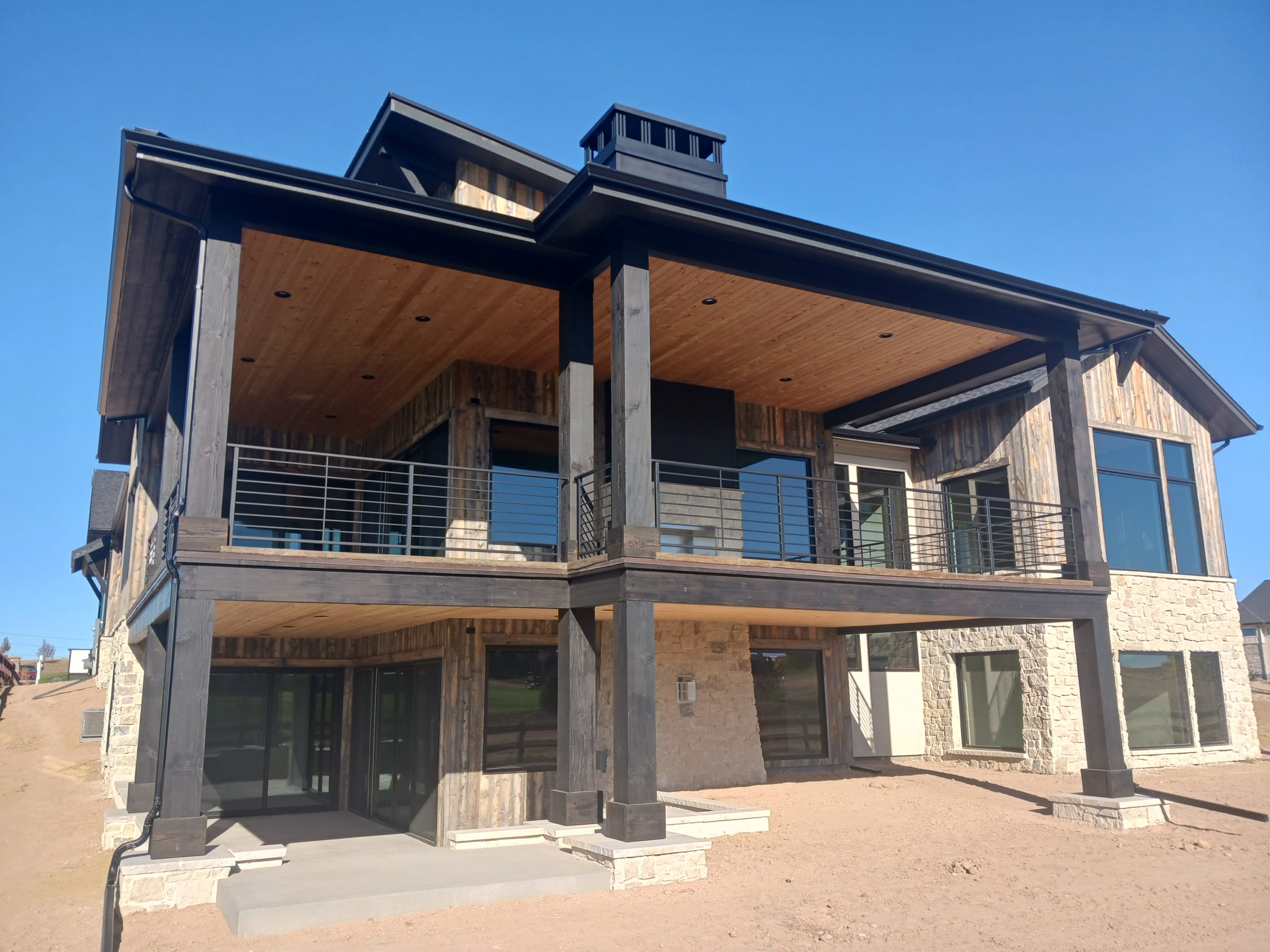
Beginner’s Guide to Exterior Painting
In a house painting or commercial painting project, exterior painting can seem like a difficult task. However, with the right preparation and with the help of a skilled exterior painting contractor, it becomes manageable. When painting a two-story house, or a one-story home, or freshening up the exterior trim, understanding the process is crucial. From scraping loose paint to applying that first coat of paint, each step requires attention to detail.
Keep reading to discover everything you need for a flawless and successful painting project!
What is Exterior Painting?

Exterior painting is the process of applying paint to the outer surfaces of a building, such as walls, doors, and trim. It protects the building from weather damage while enhancing its appearance. When done professionally, an exterior painting contractor begins the process by cleaning the surfaces, repairing cracks or imperfections, and applying primer to ensure the paint adheres properly. High-quality paint and finishes are essential for long-lasting results, especially in harsh climates. Painting your exterior is a practical way to maintain a building’s condition and boost its curb appeal.
What are the Benefits of Exterior Paint?
Exterior paint offers more than a new coat of paint. It serves as both a visual and practical enhancement to your home. Paint also protects the exterior surfaces which is crucial in home maintenance. Aside from that, here are the reasons why painting your exterior is essential.
Improved Curb Appeal
A fresh coat of paint can make your home stand out with vibrant exterior color choices. Whether opting for a bold color or sticking to the original color, the right paint job can highlight your home’s visual appeal and architectural features. To start, select a high-quality exterior paint that complements your surroundings. Pay attention also to details like the trim around windows. If you need expert advice, you may contact Old World Painting Family. We are a painting company located in Greeley, Colorado.
Protection Against the Elements
Exterior paint acts as a barrier against the elements. Extreme heat, rain, and wind can damage your home’s exterior. Using high-quality paint can provide proper coverage and protection. It prevents moisture from seeping into the wall, reducing the risk of long-term damage.
Increased Property Value
A well-executed painting project can increase your home’s market value. Potential buyers are often drawn to homes that appear well-maintained. However, not all paint colors can boost the value of your property. Hence, you must use the right colors that can bring out the elegance of your home. Check out our article about exterior home colors to know which shades can add value to your property. Or you may reach out to your local exterior painting contractor for expert advice.
How to Properly Paint Your Home’s Exterior?

Painting your home’s exterior involves crucial steps. Each stage has an impact on the durability and aesthetic appeal of your home. If you are painting your property exterior by yourself, we enumerated below some tips that will help you achieve the best results.
Clean the Surface
The first and most important step in painting the exterior is cleaning the surface. Dirt, grime, mildew, and other contaminants can prevent the new paint from adhering. When a surface is not properly cleaned, it will result in uneven coverage and premature peeling.
For thorough cleaning, use a pressure washer or power washer to clear away debris from surfaces like vinyl siding or synthetic stucco. If a power washer isn’t available, a scrub brush and water solution work well on smaller areas. For homes with more stubborn stains, consider using a mild detergent or cleaning solution.
Repair and Fill Cracks
Once the surface is clean, it’s time to inspect for any damages. If there are cracks or gaps, repair these first before painting. This is essential to avoid painting uneven surfaces. If you are painting wooden surfaces, you can use wood filler to repair cracks or holes. Use exterior caulk to seal gaps around doors, windows, and other joints.
Scrape and Sand Old Paint
Next, remove any peeling or loose paint. Focus on areas with high exposure where paint is most likely to flake off. You can use a paint scrapper to peel away any old, flaking paint.
For an even smoother result, follow up by sanding the surface with 100-grit sandpaper. This step evens out the texture and creates a rough surface. Doing so allows the new paint to adhere more effectively.
For larger surfaces or homes with extensive peeling, consider using a random-orbit sander or a 5-inch disc power sander to speed up the process. Proper sanding saves time and prevents lap marks.
Apply Primer
Applying primer is a crucial step in ensuring your new paint bonds properly and lasts for years. Primer acts as a sealant between the house siding and the paint. Without it, the paint may absorb unevenly. Surfaces like vinyl siding or synthetic stucco may lead to inconsistent finish.
To apply the primer, use a high-quality product suited to your home’s materials. For large surfaces, use a roller to apply the primer evenly. An angled brush is ideal for edges and detailed areas. Let the primer dry completely before proceeding to the next step.
Opt for the Best Home Color
As mentioned above, paint color significantly impacts your home’s curb appeal. The color you choose should highlight the architectural features of your property. It should also complement the surrounding environment.
To select the perfect shade, test paint samples in different lighting conditions to see how they look throughout the day. It is also important to consider how the color interacts with your home’s trim, roofing, and landscape for a cohesive look. To learn more tips on how to choose the best home color, check out our guide to house painting.
Choose the Best Weather-Resistant Paint
Weather-resistant paint is critical in ensuring your exterior can withstand harsh conditions such as rain, snow, and intense sunlight. Opt for paint that is specifically formulated for outdoor use. This type of paint can resist fading, cracking, and peeling. It also provides superior protection against moisture and UV rays.
You can use high-quality acrylic latex paint. This is known for its flexibility and durability in varying weather conditions. Check the paint’s temperature tolerance as well, especially if you live in an area with extreme heat or cold.
Do Some Finishing Touches and Clean-Up
Finishing touches and clean-up are the final yet equally important steps in the painting process. Once the paint has dried, inspect for any spots that may need a second coat or touch-ups. Sometimes, the paint is uneven around corners, edges, and trim.
Pay attention to fine details like door frames, windowsills, and any decorative elements on your home’s exterior. Ensure that these have full coverage and a professional finish.
Afterward, remove the painter’s tape carefully to avoid pulling off fresh paint. Clean up the area and dispose of paint cans properly. Clean also your brushes and rollers so they can be reused for future projects.
What Essential Tools and Materials Should You Have When Doing Outdoor Painting?
When preparing to paint your exterior, having the right tools and materials is essential for achieving a professional finish. Without these, even the best paint can fall short. The durability of your work may also be compromised.
Whether you’re refreshing the look of your home or giving it a completely new color scheme, using the correct equipment ensures efficiency, safety, and quality results. Below, we will explore some of the most important tools and materials you will need to get started.
Brushes and Rollers
Brushes and rollers are the fundamental tools for painting your home’s exterior. Brushes are great for detailed work, edges, and corners. When choosing brushes, opt for synthetic bristles for water-based paints. Select the natural bristles for oil-based paints.
Rollers, on the other hand, cover larger surfaces quickly. It is best to use rollers with thicker naps. These work best on rough exterior surfaces such as brick or stucco. The inner naps are suited for smoother adjacent walls.
Ladders and Scaffolding
Ladders and scaffolding are crucial for reaching high places when painting exteriors. Ladders are ideal for small, hard-to-reach areas. While scaffolding offers a more stable platform for larger jobs.
It is important to ensure your ladder is on a level surface and is secured to avoid accidents. Scaffolding, while requiring more setup, provides more stability and comfort for extended periods of painting. Always follow safety guidelines when using these tools to minimize the risk of falls.
Safety Gears
Safety gear is critical to protect yourself when doing outdoor painting. Items such as gloves, masks, safety goggles, and helmets shield you from harmful paint fumes, debris, and potential accidents. Wearing long sleeves and pants also protects your skin from exposure to paint and chemicals.
Proper safety gear can prevent injuries, especially when working at heights or handling hazardous materials. Be sure to inspect your safety equipment regularly to ensure it is in good condition.
Painter’s Tape
Painter’s tape is an essential tool for achieving clean, sharp lines when painting. It helps prevent paint from bleeding onto areas where it’s not wanted such as trim, windows, or fixtures.
When applying the tape, make sure the surface is clean and dry for the best paint adhesion. Removing the tape while the paint is still slightly wet can also help achieve crisp lines without pulling off fresh paint. Proper use of painter’s tape can save time and effort on touch-ups.
Drop Cloths
Drop cloths protect surfaces from paint splatters and spills during your painting project. They are typically placed on the ground, over furniture, or in any area that shouldn’t get painted. You can choose canvas or plastic drop cloths. Canvas drop cloths are reusable and highly durable. Plastic ones offer a more affordable, disposable option.
To ensure maximum coverage, spread drop cloths fully and tape them down if necessary, especially on windy days or uneven surfaces.
Scrapers
Scrapers are used to remove old, flaking paint before applying a new coat and come in various sizes. A sturdy, wide scraper works best for larger areas. Meanwhile, smaller ones are better for corners or narrow spaces. Be gentle while scraping to avoid damaging the underlying surface.
Sandpaper
Sandpaper is used to smooth out rough spots on your surface before painting. It is especially useful after scraping. It helps to even out the texture for a polished finish.
For exterior projects, medium-grit sandpaper works best on uneven surfaces. Always sand in the direction of the wood grain if you’re working on wooden surfaces. Then, wipe the area clean afterward to remove dust particles before applying the paint.
What are the Common Mistakes to Avoid When Painting Your Home’s Exterior?
Painting the exterior of your home is a rewarding project. But it requires thorough preparation and execution. Even small mistakes can lead to subpar results. When it happens, it increases the time and cost of your painting job. Whether you’re hiring experts from a painting company or taking on the task yourself, here are the common pitfalls you need to avoid.
Skipping Proper Surface Preparation
One of the most crucial steps in painting the exterior is surface preparation. But many overlook this. Failing to adequately clean, repair, and prime the surface can cause the new paint to peel, flake, or wear unevenly over time. Proper surface preparation allows the paint to adhere smoothly and prevents premature deterioration. Skipping this step could mean redoing the job in a few years.
To avoid this, begin by thoroughly cleaning the surface. You can use a scrub brush or power washer to remove dirt, mildew, and loose paint. Follow up by sanding rough areas and filling any cracks or holes with the appropriate filler. Pay special attention to high-exposure areas like eaves or wood trim since they are more prone to weather damage.
Painting in Unfavorable Weather Conditions
Weather is a critical factor in the success of painting your exterior. Many homeowners make the mistake of painting in extreme heat, cold, rain, or high humidity which affects the result.
For example, hot temperatures can cause the paint to dry too quickly. It leads to an uneven finish and visible brush strokes. On the other hand, painting during cold or humid conditions can slow down the drying process. This makes the paint prone to blistering or peeling. Before you start your paint job, always check the weather forecast or select the dry time of the year. Aim for moderate temperatures with low humidity. Ideally between 50°F and 85°F (10°C to 29°C). This creates the perfect environment for the paint to cure evenly.
Using the Wrong Paint Type
Selecting the wrong type of paint is a mistake that can compromise the durability and appearance of your exterior. Homeowners often choose the incorrect paint based on price or availability. They don’t consider the material of their home’s exterior.
Remember, oil-based and acrylic paints serve different functions. For most modern homes, exterior acrylic latex paint is the best choice. This type of paint is known for its durability, flexibility, and resistance to cracking. Oil-based paint, while offering a hard finish, is prone to fading. This painty type is more difficult to apply evenly. Acrylic latex, on the other hand, resists harsh weather conditions. This is ideal for homes in regions with fluctuating temperatures or high moisture.
Whatever you opt to use, always choose high-quality paint specifically formulated for exterior use. Doing so will minimize maintenance and extend the lifespan of your paint job.
Applying Thick Coats
Applying thick coats of paint may seem like an efficient way to get the job done faster. However, this common mistake can lead to drips, uneven drying, and visible brush marks. Thick coats often trap moisture underneath the surface. This can cause bubbling and peeling as the paint cures.
Instead, apply multiple thin and light coats of paint. Give extra time to dry completely before adding another. Thin layers bond more effectively to the surface. It reduces the risk of peeling and gives the final finish a smooth, even appearance. While this method may take a bit longer, it ensures a more durable paint job that will hold up better over time.
Ignoring Primer
Not using primer can be a costly mistake. Primer creates an essential barrier that seals the surface. It also provides a uniform base for the paint to adhere to. Without it, the paint may not cover imperfections or stick properly. This will lead to issues like peeling, cracking, or discoloration.
Using a high-quality primer is especially important when painting over bare materials like wood, vinyl, or metal. It also helps when switching between light and dark paint colors. Always apply a primer before painting to ensure the longevity of your exterior paint job.
Failing to Use Proper Tools
Many DIY painters make the mistake of using low-quality or inappropriate tools. That’s why they become frustrated with the substandard finish. Remember, the tools you choose directly affect the quality of the result. The right tools make the job more efficient and result in a smoother, more professional finish. Hence, it is essential to invest in high-quality brushes, rollers, and sprayers designed for the type of surface you’re painting.
For detailed work around edges or trim, use an angled brush to achieve precision. For large areas, such as walls or siding, use a roller with the right nap thickness for smooth, even coverage. If you’re using a sprayer, ensure it is in good working order. You might need to calibrate it properly to avoid overspray and wasted paint.
Not Maintaining a Wet Edge
Maintaining a wet edge while painting is a professional technique that many beginners overlook. A wet edge ensures that each stroke blends seamlessly into the next. It prevents lap marks or streaks that can ruin the uniformity of your paint job.
To maintain a wet edge, work in small sections and avoid pausing for too long. Always overlap your brush or roller strokes with the previous one while the paint is still wet. This allows the fresh paint to blend smoothly with the existing coat. Doing so will also give you a flawless finish with no visible lines or streaks.
How Can You Address Any Spots Missed or Areas Need Retouching?
Even with the best preparation, it is common to find missed spots or areas needing retouching after an exterior house painting project. Addressing imperfections promptly ensures a seamless and long-lasting finish.
Below are steps to effectively identify and fix missed areas:
Inspect the Surface
The first step is to carefully inspect the entire exterior. Walk around your home and check all surfaces under various lighting conditions to spot uneven coverage, lap marks, or missed spots. Pay special attention to high-traffic areas and difficult-to-reach sections. Check the places with intricate details like window frames, vinyl siding, and exterior trim.
You can use a sturdy ladder to inspect upper sections and hidden corners. A thorough inspection lets you retouch the imperfections before they become more noticeable.
Prepare the Area for Touch-Ups
Before doing any touch up painting, properly preparing the surface is important. Clean the area with a soft cloth or scrub brush to remove dust, dirt, or loose particles. If the paint is peeling or cracking, use 80-grit sandpaper to smooth out the surface before painting.
For larger imperfections, fill any cracks and smooth the surface. Use drop cloths or plastic sheeting to protect areas that don’t need retouching. Proper preparation allows the touch-up to blend seamlessly with the existing paint.
Match Paint for Consistency
Ensuring the touch-up paint matches the original is crucial for achieving a consistent look. That’s why it is best to always use the same type of paint and the exact color originally applied. If you have leftover paint from the project, use that for the touch-ups. If not, contact the paint manufacturer to get the exact shade and finish.
Avoid mixing old and new paints without ensuring they match. Slight variations can make touch-ups stand out. Consistency in color and finish will help make the retouched areas blend in with the rest of the surface.
Use the Same Application Method
To maintain consistency, use the same painting method for touch-ups as you did during the initial project. If you applied the original paint with a sprayer, continue using the sprayer for touch-ups. If brushes or rollers were used, stick with those tools. Switching application methods can create visible differences in texture and finish. Sticking to the original method ensures an even, uniform look across the entire surface.
Allow Proper Drying Time
Once the touch-ups are complete, give them enough time to dry thoroughly before re-inspecting the surface. Drying times vary based on the type of paint and the weather conditions. So resist the urge to apply additional coats too soon. Let each layer dry completely before deciding if more paint is needed. Rushing the process can result in uneven coverage or visible brush marks. Whereas, allowing proper drying time will ensure a smooth, durable finish.
How to Protect and Maintain Your Paint for Exterior?
 Maintaining your home’s exterior paint is essential for preserving its appearance. Even high-quality paint can degrade over time without proper care. By following regular maintenance steps, you can extend the life of your exterior paint. It also keeps your home looking fresh for years.
Below are key steps you can take to protect and maintain your exterior paint.
Clean the Exterior Regularly
Regular cleaning is one of the most effective ways to protect your exterior paint from premature wear. Dirt, grime, mildew, and pollutants can build up over time. It causes the paint to deteriorate faster, especially in areas that are exposed to the elements.
Use a power washer or a scrub brush with mild detergent to clean the exterior at least once or twice a year. Focus on high-moisture areas, such as near gutters or ground-level surfaces. Regular cleaning enhances your home’s curb appeal. It also prevents long-term damage, reducing the need for frequent touch-ups or a full repaint.
Inspect for Damage
Regular inspections are crucial to identifying potential paint problems early. Look for signs of peeling, cracking, or chipping paint. These are indicators that moisture or weathering may be affecting the exterior.
Focus on areas that experience more wear, such as trim, corners, window frames, and siding. Pay special attention to joints and hard-to-reach places since paint is more likely to crack in these areas due to movement or exposure. Catching these issues early allows for quick repairs.
Touch-Up Minor Paint Issues
Address small imperfections like chips, scratches, or lap marks as soon as they appear to keep your home looking well-maintained and prevent further wear.
Use leftover paint from the original project to ensure consistency in color and finish. Clean the affected area with a wire brush. Then, lightly sand with 80-grit sandpaper to smooth the surface before applying touch-up paint. This simple step helps maintain the overall integrity of the paint.
Reapply Caulk as Needed
Caulking plays a critical role in protecting your home from moisture. But, caulk can shrink, crack, or deteriorate over time. The water seeps behind the paint which causes peeling or bubbling.
To avoid this, inspect caulking around windows, doors, and other joints. Reapply it as needed using a high-quality, durable caulk. Regularly maintaining the caulk will protect your paint and the underlying structure from water damage.
Monitor for Fading
Sun exposure, especially in regions with intense UV rays, can cause exterior paint to fade. Though lighter colors tend to resist fading better than darker hues, all exterior paint is susceptible to fading in sunny areas. That is why you need to check the sides of your home that receive the most sunlight. If fading is detected early, you can schedule touch-ups before the color difference becomes too noticeable.
Repaint When Necessary
Even with diligent maintenance, there will come a time when a complete repaint is needed. If you notice widespread peeling, cracking, or fading, it may be time to consider a full repaint. To maximize longevity and reduce the frequency of repaints, use top-quality exterior paint and follow the proper painting process. This approach will minimize future maintenance and save on costs in the long term. It is also best if you hire a professional exterior painting contractor.
Frequently Asked Questions
How Much Does Exterior Painting Cost?
The cost of exterior painting services in Northern Colorado varies based on several factors, including the size of your entire house, the paint type, and the complexity of the project. On average, exterior painting contractors calculate the costs per square foot.
For one-story homes, the average cost typically ranges from $1,500 to $3,000. Two-story homes can range from $3,000 to $6,000 or more, depending on square footage and labor involved.
Labor costs form a significant portion of the total expense, especially when hiring a professional exterior painter or exterior painting contractor. If your home has intricate features, this will increase the cost of labor. Homeowners can reduce costs by handling minor tasks like cleaning or touch-ups before the actual painting process begins.
When Should You Hire an Exterior Painting Contractor?

Knowing when and how to hire a painting contractor can make all the difference in maintaining the look and longevity of your home or building. Weather, time, and structural changes are key indicators that it’s time to consider professional help. If the exterior paint is fading, peeling, or cracking, it is a sign that your home’s protection is wearing away. Another time to hire an exterior house painter is when you’re preparing your property for sale or simply looking to enhance curb appeal. Fresh paint can give your home an updated, well-maintained appearance increasing its value and attracting more potential buyers.
Seasonal changes are also important. Doing exterior home painting during the wrong season results in a poor-quality finish. Hiring an exterior painting contractor in the spring or early fall allows the paint to cure properly due to favorable temperatures.
How Often Should You Repaint Your Home’s Exterior?
Repainting your home’s exterior typically needs to be done every 5 to 10 years. But it depends on factors like the material, climate, and quality of the last paint job. For example, wood siding may require painting every 3 to 7 years due to its vulnerability to weather. While stucco exterior painting can last 5 to 10 years. Brick exterior painting on the other hand lasts up to 15 to 20 years.
Exterior Painting for Beginners: Step-by-Step Guide
Exterior painting is a powerful way to refresh your home’s current condition. The best exterior paint boosts visual appeal and protects your home from harsh weather and damage. Regular painting prevents wear and tear, making your home look vibrant while increasing its value. By investing in high-quality materials and techniques, you can avoid pitfalls and have a longer-lasting paint job.
At Old World Painting Family, we combine timeless craftsmanship with a family-oriented approach to deliver high-quality, detail-driven painting services across Northern Colorado. With over 25 years of experience, we work with homeowners, property managers, contractors, and business owners on everything from new builds to remodels—always with a focus on clear communication, dependable scheduling, and personalized results. We treat every project like it’s our own and every client like family, which is exactly what our name stands for. Services include residential painting, commercial painting, and expert staining and lacquering.
Visit us at:
Old World Painting Family
231 52nd Ave, Greeley, CO 80634
Phone: 970-534-1911
Read our reviews to see what our clients are saying, or find us on Google Maps below: