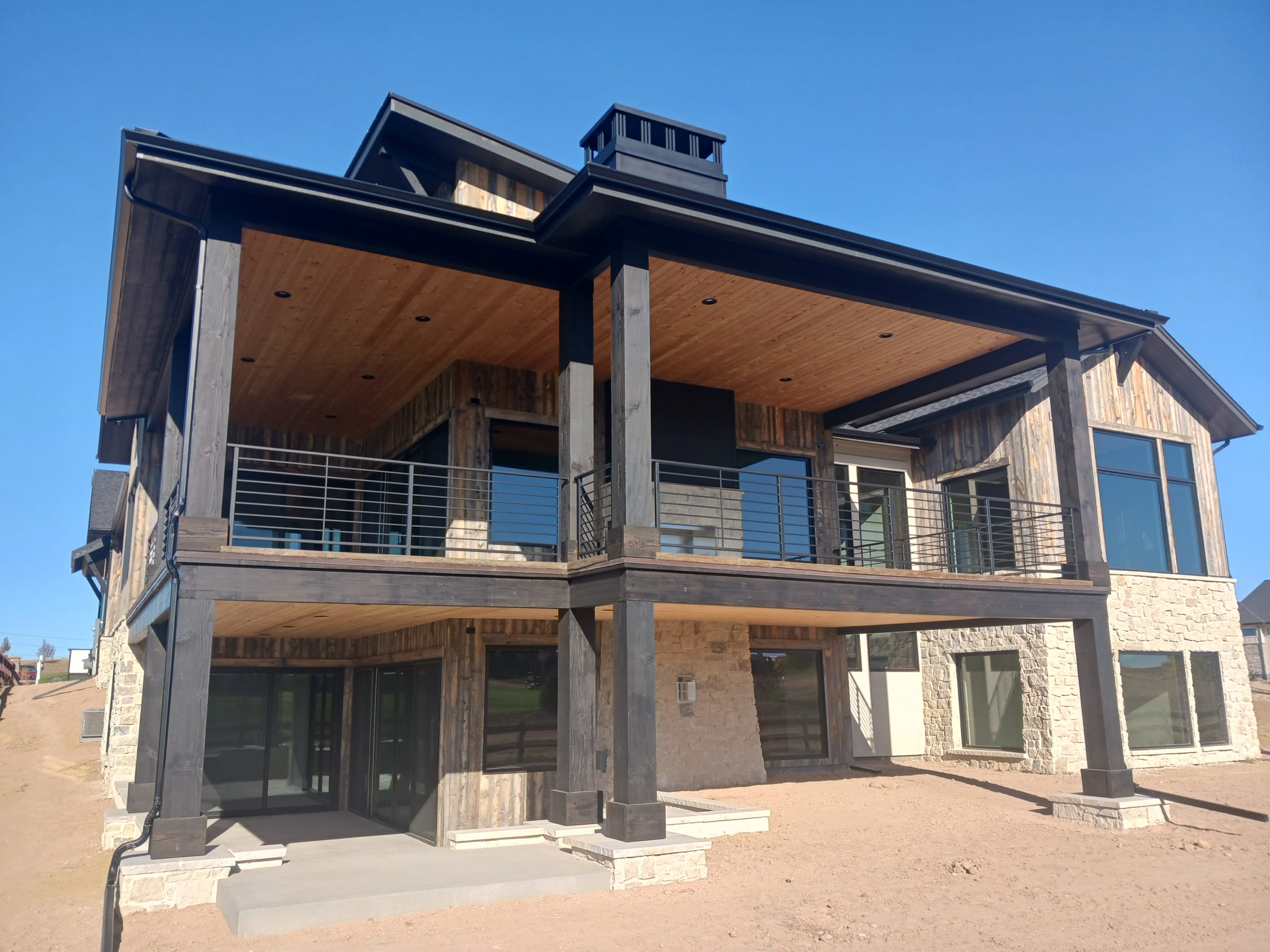
If your siding is fading, peeling, cracking, or showing moisture damage after another Colorado winter, your home may already be overdue for a new exterior paint job. Spring is the ideal time to address surface deterioration before UV exposure, rain, and temperature swings in Longmont create more expensive structural and cosmetic issues.
Key Takeaways
- Peeling paint, fading color, and exposed wood are early signs your exterior coating is failing.
- Longmont’s freeze-thaw cycles and intense UV exposure accelerate exterior paint breakdown faster than many homeowners expect.
- Spring offers ideal painting conditions for adhesion, curing, and long-term durability in Northern Colorado.
- Professional prep work, moisture control, and high-quality coatings make a major difference in paint lifespan.
- Homes near Erie, Berthoud, and central Longmont neighborhoods often experience different wear patterns based on sun exposure and weather conditions.
Many homeowners assume exterior paint is primarily cosmetic, but it also acts as a protective barrier against moisture intrusion, wood rot, mold growth, and UV deterioration. Once that barrier starts to fail, the damage underneath can spread quickly across siding, trim, fascia, and soffits.
At Old World Painting Family, we have served Northern Colorado homeowners for more than 25 years. Our team regularly works throughout Longmont, Loveland, Fort Collins, and nearby communities where fluctuating spring weather can expose weaknesses in aging paint systems almost immediately.
One of the most common things we hear from homeowners is that their house “still looks mostly okay from the street.” In reality, many repaint warning signs begin in less visible areas first, including south-facing trim, garage door edges, window casings, and horizontal wood surfaces that collect moisture.
If you are noticing several of the issues below at the same time, it is usually a strong indication your home needs attention this season.
What are the most obvious signs your exterior paint is failing?
The clearest warning signs often appear gradually over time, which makes them easy to overlook until damage becomes extensive.
Peeling or bubbling paint
When paint starts separating from the surface, moisture is usually involved. Bubbling, blistering, or peeling means the coating is no longer adhering correctly to the substrate underneath.
This commonly happens after harsh winter weather in Longmont neighborhoods near McIntosh Lake or areas exposed to strong afternoon sun. Once paint lifts, water can penetrate siding and trim far more easily.
Fading and uneven color
Colorado’s elevation exposes homes to intense ultraviolet radiation year-round. Even premium paint eventually loses pigment strength under prolonged UV exposure.
If one side of your house looks noticeably lighter or patchier than another, the protective components in the coating may already be breaking down. Fading is not just aesthetic deterioration. It often signals declining surface protection as well.
Cracking or splitting caulk
Exterior caulking around windows, doors, and trim expands and contracts constantly with changing temperatures. Over time, those sealants become brittle and begin cracking.
Once gaps form, moisture and pests can enter vulnerable areas around the home. Repainting projects often include complete caulk replacement to restore proper sealing performance.
Exposed wood or bare substrate
If paint has worn down enough to expose raw wood, fiber cement, or composite siding underneath, immediate action is important.
Bare surfaces absorb moisture rapidly during spring storms. Delaying repainting can lead to swelling, rot, mildew, and costly carpentry repairs later.
Why does spring matter so much for exterior painting in Colorado?
Spring creates one of the best opportunities to repaint because weather conditions are generally more stable before peak summer heat arrives.
In Northern Colorado, exterior surfaces endure a difficult cycle of snow, ice, freezing nights, rapid warming, hail, and dry summer sun. Those transitions stress paint coatings continuously.
Professional painters typically monitor several environmental conditions before beginning work, including:
- Surface temperature
- Ambient air temperature
- Relative humidity
- Moisture content in siding
- Forecasted precipitation
- Direct UV exposure
Proper curing conditions matter significantly more than many homeowners realize. Paint applied too early during freezing conditions or during excessive heat can fail prematurely.
A spring repaint allows coatings to bond effectively while temperatures remain moderate. This often improves overall durability and finish consistency.
A technician on our crew recently pointed out a common issue we see in Longmont each April: darker-painted homes on west-facing lots often show accelerated paint breakdown along garage trim because repeated afternoon heating and nighttime cooling cause faster expansion cycles.
That type of localized deterioration is extremely common in Colorado climates.
How can you tell the difference between normal aging and serious exterior damage?
All paint ages eventually, but some symptoms indicate deeper concerns beneath the surface.
Minor wear versus active failure
Normal aging may include:
- Slight fading
- Minor chalkiness
- Reduced sheen
- Small cosmetic imperfections
More serious issues include:
- Soft wood
- Persistent peeling
- Water stains
- Mold growth
- Cracked siding
- Recurring bubbling
When coatings repeatedly fail in the same area, underlying moisture problems may exist behind the siding or trim system.
Checking for chalking
A quick way to test aging paint is by rubbing the surface with your hand. If a powdery residue transfers easily, the paint is likely oxidizing heavily.
Chalking indicates binder breakdown within the coating itself. While some chalking is expected over time, excessive residue often means repainting should happen soon.
Looking closely at trim and joints
Trim deteriorates faster than large siding surfaces because edges absorb water more easily. Window trim, fascia boards, and garage door frames frequently show the earliest damage.
We encourage homeowners to inspect:
- Nail holes
- End grains
- Horizontal ledges
- Window corners
- Gutters and fascia connections
These areas often reveal hidden deterioration before major siding sections do.
What happens if you wait too long to repaint your home?
Delaying exterior repainting usually increases overall project costs because surface deterioration continues spreading beneath the paint film.
Once moisture enters exposed wood, repairs become more extensive and labor-intensive.
Increased carpentry repairs
Paint failure often exposes:
- Fascia boards
- Window trim
- Siding seams
- Soffits
- Garage door framing
Minor repaint projects can eventually require board replacement, wood restoration, or moisture remediation if ignored too long.
Reduced energy efficiency
Cracked caulking and damaged exterior sealing allow more air infiltration around windows and doors.
While repainting itself is not insulation, maintaining exterior seals helps support better energy performance throughout the home.
Lower curb appeal and property value
Exterior appearance strongly influences buyer perception in competitive housing markets like Longmont and nearby Boulder County communities.
A visibly aging exterior can create concerns about deferred maintenance even if the interior remains well maintained.
For homeowners preparing to sell within the next few years, repainting often delivers one of the strongest visual returns on investment available.
Which parts of a Longmont home usually wear out first?
Different surfaces deteriorate at different rates depending on sun exposure, elevation, wind, and moisture patterns.
South- and west-facing siding
These elevations absorb the harshest afternoon sunlight and usually fade faster than shaded sections of the home.
Dark paint colors often show earlier UV degradation in these locations.
Garage doors and trim
Garage doors experience constant expansion and contraction due to direct sun exposure and thinner material construction.
Trim pieces also tend to hold moisture longer after storms or snow melt.
Deck-adjacent siding
Areas near decks, landscaping, irrigation systems, and garden beds often experience higher humidity and splash-back moisture.
Homes near Golden Ponds Park or mature tree-lined neighborhoods frequently develop mildew accumulation in shaded sections with limited airflow.
What should homeowners expect during a professional repaint process?
A quality exterior repaint involves far more than simply applying fresh paint over old surfaces.
Preparation is usually the most important factor affecting longevity.
Surface washing and preparation
Professional prep often includes:
- Pressure washing
- Mildew treatment
- Paint scraping
- Sanding
- Caulk replacement
- Spot priming
- Moisture inspection
Skipping prep work is one of the biggest reasons inexpensive paint jobs fail early.
Product selection matters
Professional contractors typically evaluate:
- Siding material
- Existing coating type
- Sun exposure
- Moisture conditions
- Desired finish
- Manufacturer specifications
Many high-performance exterior systems today include acrylic latex technologies engineered specifically for extreme weather fluctuations.
Brands like Sherwin-Williams and Benjamin Moore produce coatings designed for high-UV climates like Colorado.
Scheduling considerations
Spring and early summer schedules fill quickly throughout Northern Colorado. Many homeowners wait until visible damage becomes severe before requesting estimates, which can reduce scheduling flexibility.
Booking earlier in the season often allows more ideal timing for prep and application.
If you are researching contractors, it is also worth reviewing verified homeowner feedback and project consistency. You can see what our customers are saying to better understand what long-term clients value most during repaint projects.
Is Signs Your Longmont Home Is Overdue for an Exterior Repaint This Spring something homeowners should address immediately?
In many cases, yes. Once multiple deterioration signs appear together, waiting another season often allows moisture intrusion and substrate damage to spread.
Signs Your Longmont Home Is Overdue for an Exterior Repaint This Spring becomes especially important after severe winter conditions or hail exposure. Even homes that looked acceptable in fall can deteriorate rapidly once spring moisture and UV levels increase.
Homeowners who act early usually preserve more of the existing substrate and avoid larger repair costs later.
How long should a quality exterior paint job last in Northern Colorado?
Paint lifespan depends heavily on preparation quality, material selection, weather exposure, and maintenance habits.
Most professionally applied exterior coatings in Colorado last approximately:
- 7–10 years on wood siding
- 10–15 years on fiber cement
- 5–8 years on heavily exposed trim
- Less on horizontal surfaces with standing moisture
However, south-facing exposures often age faster than shaded elevations.
Routine inspections every spring can help identify isolated failures before they spread.
Why do professional inspections matter before repainting?
A professional inspection helps identify hidden issues homeowners may not notice from ground level.
Experienced painters often check:
- Moisture content
- Rot development
- Previous coating compatibility
- Caulk failure
- Nail pops
- UV degradation patterns
- Ventilation concerns
This prevents applying fresh paint over unstable or deteriorating substrates.
Signs Your Longmont Home Is Overdue for an Exterior Repaint This Spring may appear cosmetic initially, but many homes actually require targeted repairs and sealing improvements before repainting begins.
A comprehensive evaluation ensures the finished project lasts as long as possible in Colorado’s demanding climate.
FAQ
How often should homes in Longmont be repainted?
Most homes in Longmont need exterior repainting every 7 to 12 years depending on siding type, sun exposure, and paint quality. Trim and high-exposure surfaces may require attention sooner.
Can exterior paint fail even if it still looks decent from far away?
Yes. Many repaint warning signs begin in trim corners, caulk joints, and shaded moisture-prone areas before becoming obvious from the street.
Does Colorado weather shorten paint lifespan?
Colorado’s high elevation, freeze-thaw cycles, hail, wind, and intense UV exposure can accelerate paint deterioration compared to milder climates.
What time of year is best for exterior painting in Northern Colorado?
Spring and early summer typically provide the most stable temperatures and curing conditions for exterior painting projects in Northern Colorado.
Should peeling paint always be scraped before repainting?
Yes. Loose or failing paint should be removed and properly prepared before new coatings are applied to ensure long-term adhesion and durability.
Old World Painting Family is a trusted Northern Colorado painting contractor combining timeless craftsmanship with a family-oriented approach, delivering high-quality, detail-driven service for over 25 years. We work with homeowners, property managers, and business owners on new construction and full-service remodels across the region, specializing in both premium residential painting and large-scale commercial painting projects. Our expert services extend beyond walls to include professional wood staining, lacquering, and cabinet finishes. We are committed to transparent communication, dependable scheduling, and personalized results, ensuring every surface reflects exceptional quality. When you need a highly experienced and reliable local painting company in Northern Colorado, trust us to bring your vision to life. Find us easily on Google Maps today.