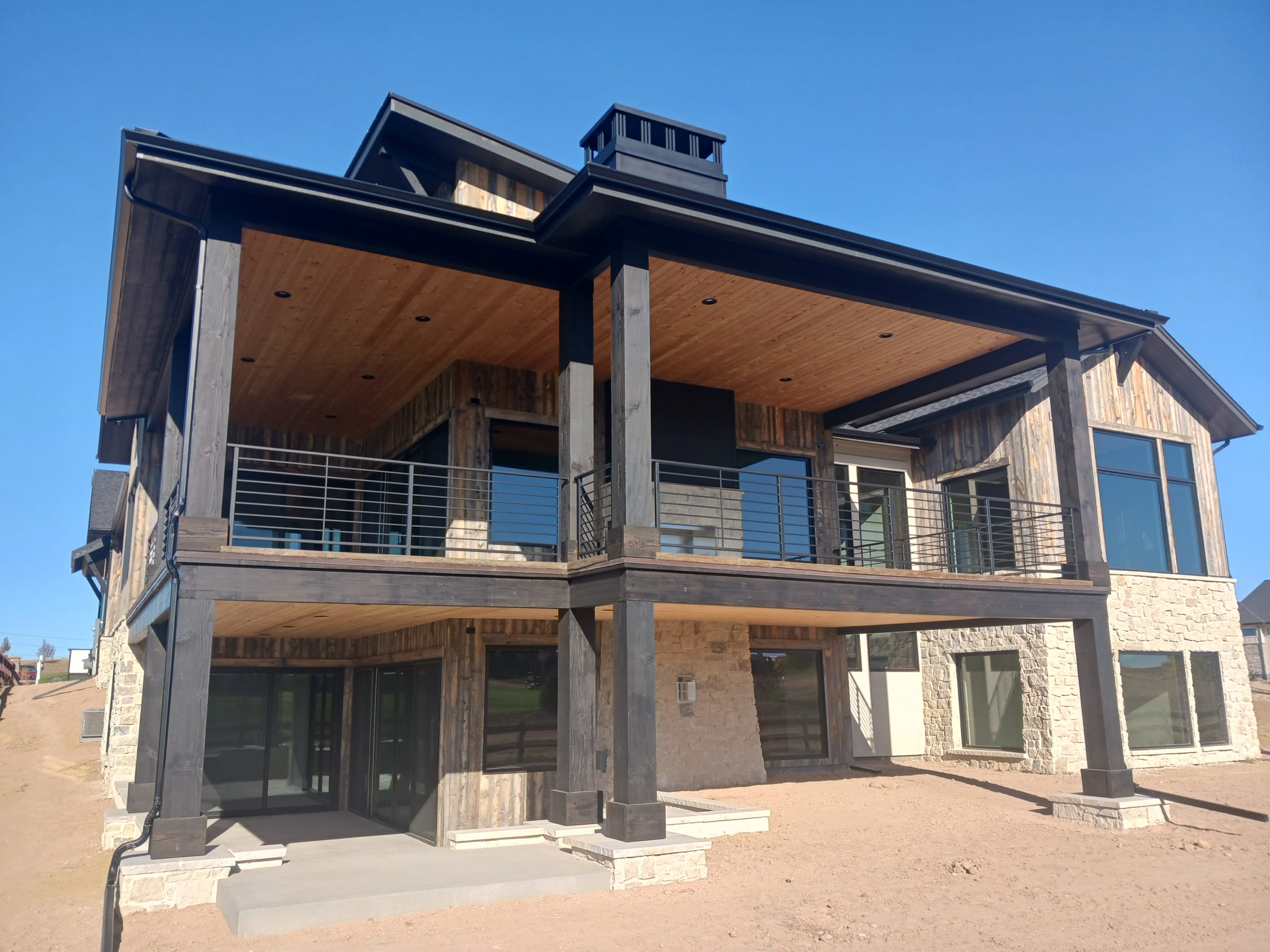
Commercial tenant improvement projects require precise coordination, especially when it comes to painting. From the outset, understanding what is the standard process for a commercial tenant improvement painting project in Brighton helps property managers, business owners, and contractors plan timelines, avoid delays, and ensure the finished space is ready for occupancy without last-minute surprises.
At the same time, these projects move fast, involve multiple trades, and often operate under tight deadlines. As a result, painting is typically one of the final phases, yet it has a major impact on how the space looks, functions, and reflects the tenant’s brand once the build-out is complete.
Notably, Old World Painting Family has been serving Northern Colorado for over 25 years, working closely with builders, property managers, and business owners to deliver smooth, well-organized commercial painting projects that align with tenant improvement timelines.
What Is the Standard Process for a Commercial Tenant Improvement Painting Project in Brighton?
While every commercial space has unique requirements, most tenant improvement painting projects follow a structured process. In general, this approach is designed to keep the job efficient, compliant, and visually consistent with the tenant’s brand or operational needs.
With that in mind, the following sections outline how professional commercial painters typically approach tenant improvement work in Brighton and surrounding areas.
Initial Project Review and Coordination
To begin with, every successful tenant improvement painting project starts with communication. Before any paint is ordered or surfaces are touched, the painting contractor reviews the project scope and coordinates with key stakeholders.
- Reviewing architectural plans and finish schedules
- Confirming paint colors, sheen levels, and product specifications
- Coordinating timelines with general contractors and other trades
- Identifying access hours, security requirements, and occupancy constraints
In many cases, commercial tenant improvement projects involve tight handoff windows, especially for retail, office, or medical spaces. Therefore, clear coordination early helps prevent rework and scheduling conflicts later in the project.
Surface Preparation and Site Readiness
Once coordination is complete, preparation becomes the next priority. Although this phase is sometimes underestimated, proper surface preparation ensures durability, consistency, and a professional finish.
- Drywall patching and sanding
- Repairing dents, cracks, or surface imperfections
- Caulking seams, trim, and transitions
- Cleaning walls to remove dust or construction residue
- Masking floors, fixtures, and installed elements
Additionally, for commercial interiors, preparation must account for HVAC registers, fire suppression systems, electrical plates, and specialty wall coverings. As a result, this step requires careful attention to detail.
Primer Application and Color Testing
After surfaces are properly prepared, primer is applied where needed. In particular, primer seals repairs, blocks stains, and ensures even color coverage across large commercial areas.
At this stage, contractors may also test approved colors under actual lighting conditions. Consequently, this helps confirm that sheen levels and tones meet tenant expectations before final application begins.
Main Paint Application Phase
Next comes the most visible stage of the tenant improvement painting process. During this phase, professional commercial painters apply finish coats using methods that ensure consistency and efficiency across large spaces.
- Spraying large wall and ceiling areas
- Rolling detailed sections for uniform texture
- Cutting clean lines around trim, doors, and fixtures
- Applying specialty coatings or accent walls
In many situations, tenant improvement projects require after-hours or off-peak painting. Therefore, experienced contractors plan crews accordingly to avoid interfering with inspections or neighboring tenants.
Detail Work and Finishing Touches
Once the main coats are complete, attention shifts to detail work. At this point, painters focus on precision elements that elevate the overall result.
- Touch-ups and edge refinement
- Painting doors, frames, and trim
- Addressing minor blemishes revealed after drying
- Ensuring uniform sheen and coverage
Ultimately, these finishing touches play a major role in how polished and professional the final space appears.
Quality Control and Punch List Completion
Before the space is officially complete, a walkthrough is conducted with the general contractor or property manager. During this review, any issues are documented and added to a punch list.
Importantly, a professional commercial painter treats the punch list as a normal and necessary step. As a result, these items are addressed promptly to keep the project on schedule.
Final Walkthrough and Turnover
Finally, the project concludes with a final walkthrough to ensure the space meets the approved scope and is ready for use. At this time, protective coverings are removed and the site is left clean and presentable.
At this stage, many clients choose to review feedback and experiences. For example, it can be helpful to see what our customers are saying when selecting a commercial painting partner for future tenant improvement projects.
How Long Does a Tenant Improvement Painting Project Take?
Generally speaking, timelines vary based on square footage, surface conditions, and scheduling coordination. For instance, smaller office suites may take only a few days, whereas larger retail or multi-unit spaces can span several weeks.
Why Professional Commercial Painting Matters for Tenant Improvements
Ultimately, understanding what is the standard process for a commercial tenant improvement painting project in Brighton allows stakeholders to make informed decisions and avoid costly missteps.
Frequently Asked Questions
Do tenant improvement painters work after hours?
Yes. In many cases, commercial painting contractors offer evening or weekend work to minimize disruption and meet project deadlines.
What type of paint is used for commercial tenant spaces?
Typically, low-VOC, durable commercial-grade paints are used to meet air quality standards and withstand heavy use.
Who coordinates painting during a tenant improvement project?
Most often, painters coordinate with the general contractor or property manager to align schedules and access.
Is surface preparation included in commercial painting?
Yes. In fact, proper preparation is essential and is included in professional tenant improvement painting scopes.
Can painting happen before final inspections?
In some cases, yes. However, it must be coordinated carefully to avoid rework after inspections.
Old World Painting Family is a trusted Northern Colorado painting contractor combining timeless craftsmanship with a family-oriented approach, delivering high-quality, detail-driven service for over 25 years. We work with homeowners, property managers, and business owners on new construction and full-service remodels across the region, specializing in both premium residential painting and large-scale commercial painting projects. Our expert services extend beyond walls to include professional wood staining, lacquering, and cabinet finishes. We are committed to transparent communication, dependable scheduling, and personalized results, ensuring every surface reflects exceptional quality. When you need a highly experienced and reliable local painting company in Northern Colorado, trust us to bring your vision to life. Find us easily on Google Maps today.