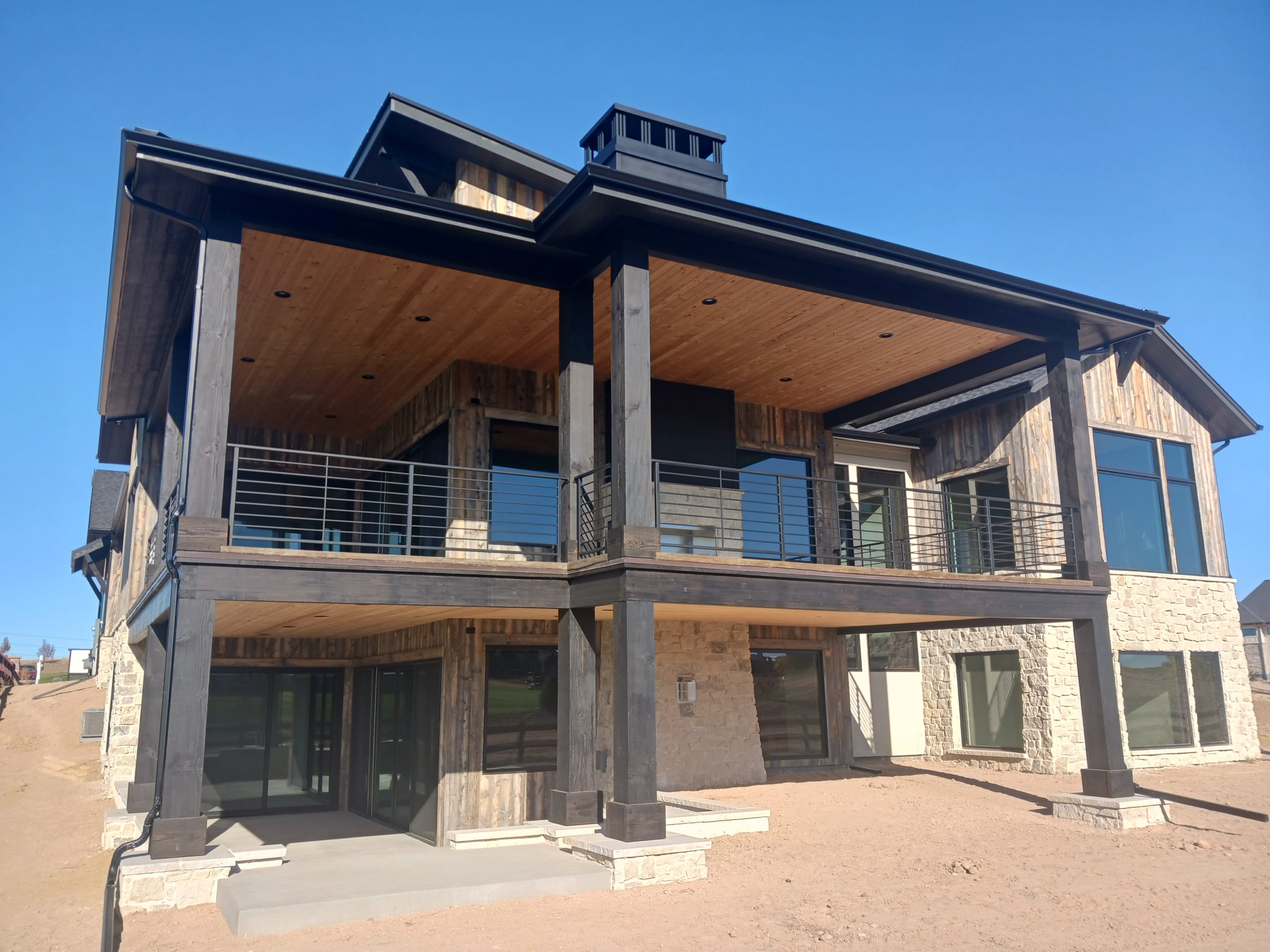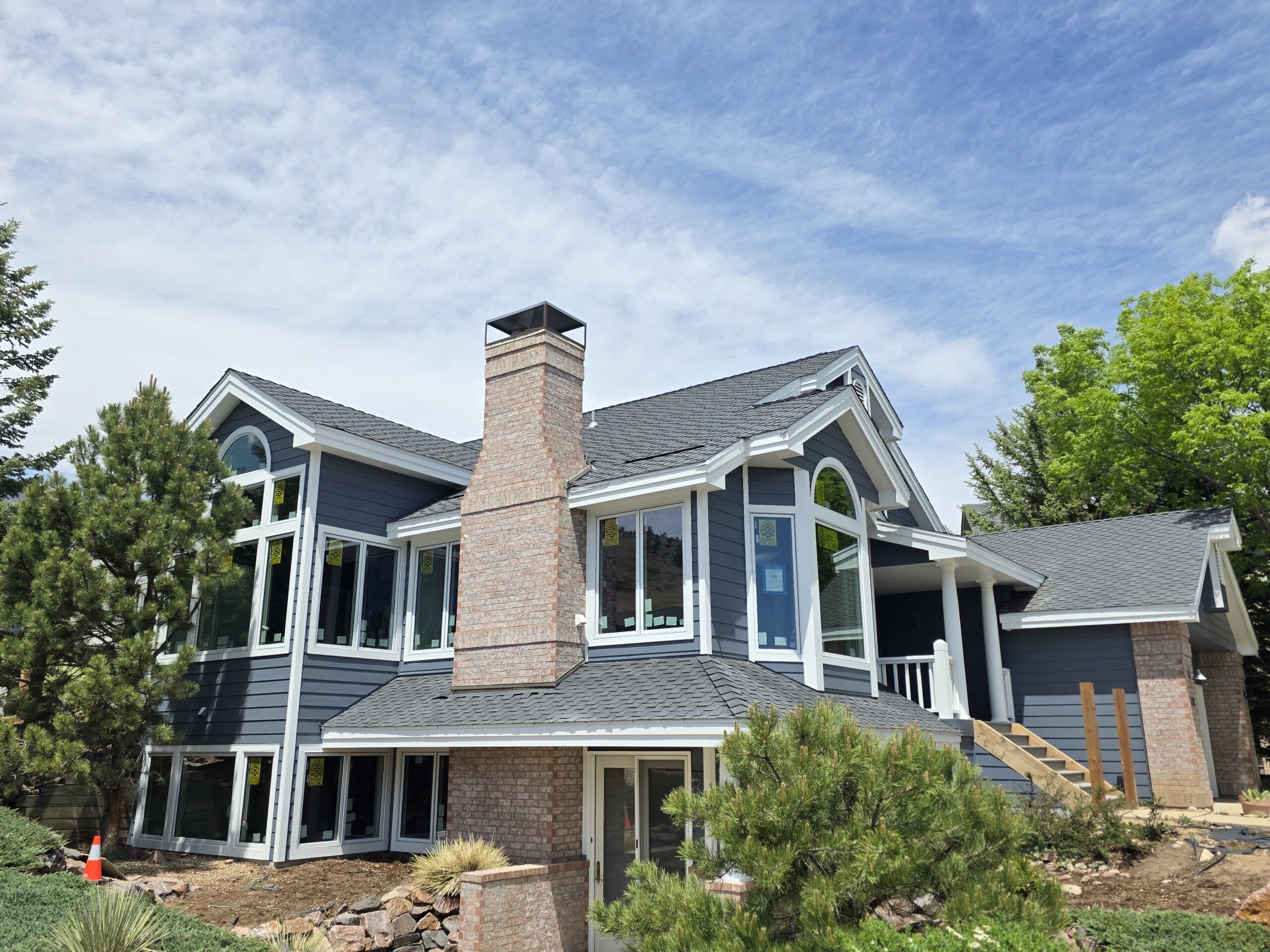
Yes, exterior painting before winter in Milliken CO can be possible when the coating, air temperature, surface temperature, and forecast all support proper application and curing. A warm afternoon alone is not enough. Homeowners should consider overnight temperatures, dry surfaces, product requirements, and enough favorable weather after application before scheduling late-season exterior work.
Key Takeaways
- Some modern exterior acrylic paints allow application at temperatures as low as 35°F, but individual manufacturer requirements always control.
- Air and surface temperatures both matter, and some coatings need acceptable conditions for up to 48 hours after application.
- Northern Colorado’s low relative humidity and dry air can affect exposed wood, including moisture content, shrinking, and checking.
- Exterior surfaces should be clean, dry, properly prepared, and compatible with the selected primer or coating before painting begins.
- Late-season projects should be scheduled around the full curing window, not simply the warmest afternoon temperature.
Can You Do Exterior Painting Before Winter in Milliken CO?
Yes, exterior painting before winter in Milliken CO can be completed when the weather falls within the selected coating manufacturer’s application requirements. The decision should be based on the entire application and curing window rather than the calendar alone.
Old World Painting Family has provided painting and home improvement services across Northern Colorado for more than 25 years, including residential exterior painting for homeowners in Milliken. Late-season work requires careful attention to the coating system, surface preparation, temperature, moisture, and upcoming forecast.
Northern Colorado regularly experiences low relative humidity and dry air. Those conditions can affect the moisture content of exterior wood and contribute to shrinking or checking, making surface inspection and preparation especially relevant before applying primer, paint, or stain.
What Temperatures Are Suitable for Late-Season Exterior Painting?
The acceptable temperature depends on the exact paint or coating being used. Some modern exterior acrylic formulations permit application at temperatures down to 35°F, while other products require warmer conditions.
Checking only the afternoon air temperature can give an incomplete picture. Exterior siding, trim, and other substrates can have different surface temperatures than the surrounding air, and the coating must remain within its specified conditions long enough to form and cure correctly.
| Factor | What to Check Before Painting | Why It Matters |
|---|---|---|
| Air temperature | Manufacturer’s minimum and maximum range | Paint needs suitable conditions during application and drying |
| Surface temperature | Temperature of siding, trim, or other substrate | The surface itself must meet product requirements |
| Overnight forecast | Expected lows after application | Temperatures can fall below the coating’s acceptable range after sunset |
| Surface moisture | Substrate should meet product requirements for dryness | Moisture can interfere with adhesion and coating performance |
| Cure window | Forecast after the paint is applied | Some coatings require acceptable conditions for up to 48 hours |
Always follow the technical data and application instructions for the specific primer, paint, stain, or other coating selected for the project.
Pro-Tip: Check the Overnight Forecast, Not Just the Daytime High
For late-season exterior painting, the daytime high is only part of the decision. Some modern exterior acrylic paints can be applied down to 35°F, but the air, surface, and paint itself must meet the product’s minimum temperature, and certain coatings require temperatures to remain above the specified threshold for up to 48 hours after application.
That means a mild afternoon does not automatically create a safe painting window. The overnight forecast and conditions during the following day or two may determine whether the coating has enough time to develop properly.
How Does Northern Colorado’s Dry Air Affect Exterior Painting?
Northern Colorado’s periods of low relative humidity and dry air can influence both exterior wood and coating application. Exposed wood can lose moisture, shrink, or develop checking, so its condition should be evaluated before it is covered with a new finish.
Dry weather does not eliminate the need to verify the substrate itself. Proper preparation may include cleaning, scraping loose or failing coatings, sanding where appropriate, addressing deteriorated areas, and selecting primers or finishes suited to the material.
Wood staining and other specialty finishes also have their own application requirements. Old World Painting Family provides exterior painting as well as professional wood staining, lacquering, and finish work, so the appropriate preparation and coating system depends on the actual surface rather than a one-size-fits-all approach.
What Should Be Checked Before Scheduling a Fall Exterior Paint Project?
A late-season exterior project should be evaluated according to surface condition, coating specifications, and the forecast. A few warm hours are less useful than a stable weather window that supports preparation, application, drying, and curing.
Before work begins, the project should account for:
- The manufacturer’s required application temperature
- The actual temperature of the exterior surface
- Overnight lows after each application
- Rain, frost, dew, or other moisture that could affect the surface
- The condition of existing paint, siding, trim, and exposed wood
- Required drying or recoat times between products
- The expected curing conditions after the final coat
These checks are especially useful when a project is being completed close to winter, when favorable daytime conditions can be followed by much colder nights.
Is It Better to Paint Now or Wait Until Warmer Weather?
Painting now can make sense when the exterior is properly prepared and a suitable weather window meets the coating manufacturer’s requirements. Waiting is the better choice when temperatures, surface moisture, or the curing forecast fall outside those specifications.
There is no universal date when exterior painting must stop for the year. Product requirements and actual jobsite conditions provide a better basis for the decision.
Postponing can also be appropriate if exterior wood or existing coatings need repairs that cannot be properly addressed within the available weather window. Rushing preparation simply to finish before winter can undermine the quality of the finished coating.
Why Does Surface Preparation Matter Before Cold Weather?
Surface preparation affects how well the new coating can bond and perform. Painting over dirt, moisture, loose coatings, or deteriorated material does not solve the underlying surface problem.
Preparation requirements vary with the substrate and its existing condition. Painted siding, bare wood, trim, previously stained surfaces, and repaired areas may each require different steps before a new finish is applied.
This is particularly relevant for dry exposed wood in Northern Colorado. Shrinking or checking should be identified before finishing so the surface can be prepared appropriately rather than simply covered.
How Can Milliken Homeowners Plan an Exterior Painting Project?
Start by having the exterior condition and timing evaluated before choosing a late-season project date. The coating system and forecast can then be considered together to determine whether there is a reasonable application and curing window.
Old World Painting Family serves homeowners and property owners throughout Northern Colorado with residential and commercial painting, remodeling, wood staining, cabinet finishes, and related services. Homeowners considering a project can read our local client reviews in Milliken and call (970) 534-1911 to discuss exterior painting needs and scheduling.
Frequently Asked Questions
How cold is too cold to paint a house exterior?
The minimum temperature depends on the specific coating. Some modern exterior acrylic paints allow application at temperatures as low as 35°F, while other products require warmer air and surface temperatures, so the manufacturer’s instructions should always determine the limit.
Can exterior paint dry if the temperature drops overnight?
A temperature drop can affect a coating if conditions fall outside its required drying or curing range. Some products require acceptable temperatures for up to 48 hours after application, making overnight lows an important part of late-season scheduling.
Does low humidity make fall exterior painting easier?
Low humidity can support drying conditions, but it does not automatically make a surface ready for paint. Northern Colorado’s dry air can also affect wood moisture and contribute to shrinking or checking, so exposed wood should still be inspected and prepared appropriately.
Should I wait until spring to paint my house in Milliken?
Not necessarily. A fall project may still be appropriate when the surface is ready and the forecast satisfies the selected coating’s temperature, moisture, application, and curing requirements; otherwise, waiting for a better weather window is the safer choice.
Old World Painting Family is a trusted Northern Colorado painting contractor combining timeless craftsmanship with a family-oriented approach, delivering high-quality, detail-driven service for over 25 years. We work with homeowners, property managers, and business owners on new construction and full-service remodels across the region, specializing in both premium residential painting and large-scale commercial painting projects. Our expert services extend beyond walls to include professional wood staining, lacquering, and cabinet finishes. We are committed to transparent communication, dependable scheduling, and personalized results, ensuring every surface reflects exceptional quality. When you need a highly experienced and reliable local painting company in Northern Colorado, trust us to bring your vision to life. Find us easily on Google Maps today.