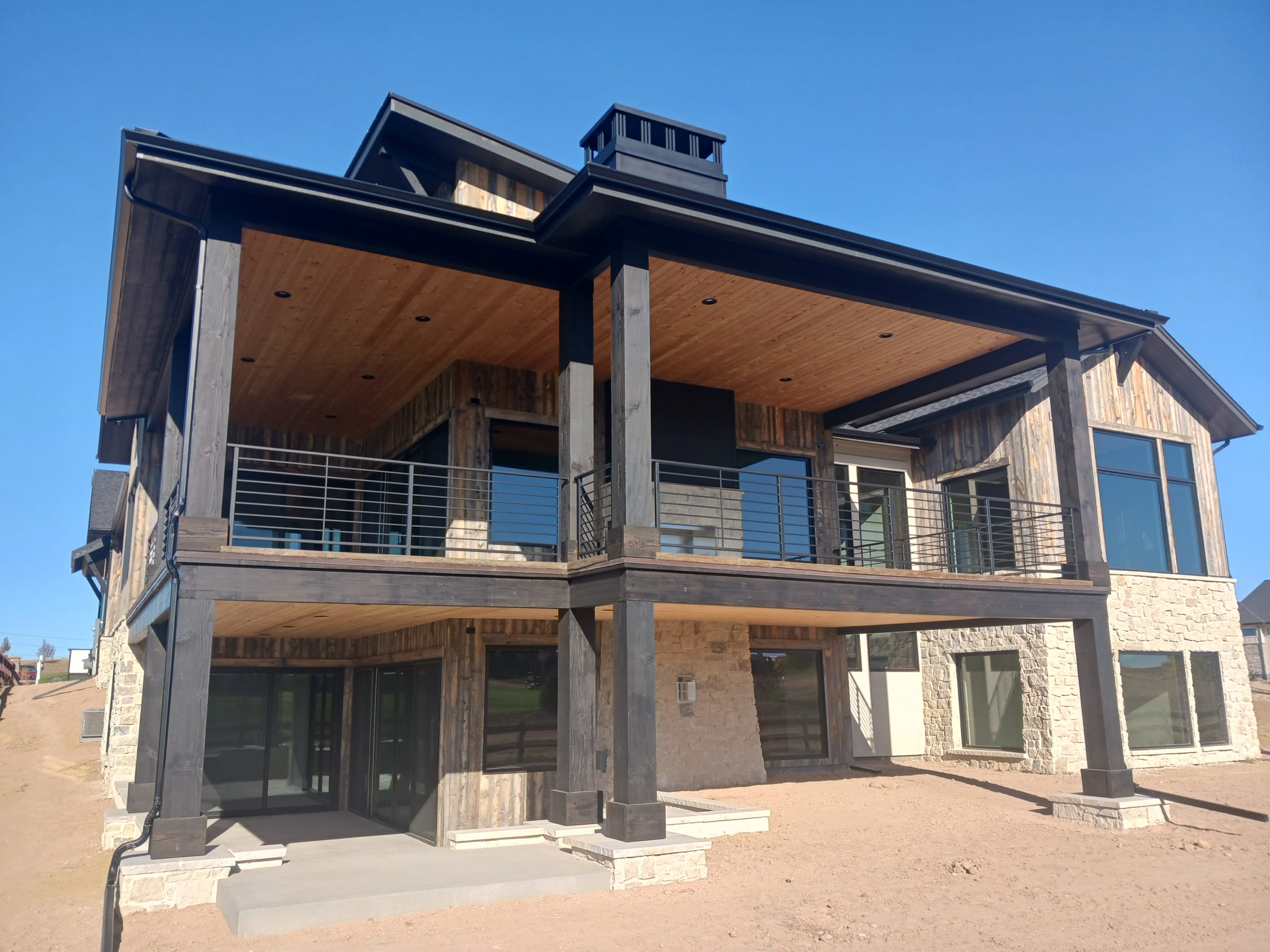
Painting immediately after rainfall traps moisture in siding, wood, and trim, leading to peeling, blistering, and premature failure. We follow a strict 48-hour drying window to ensure surfaces are fully cured, adhesion is strong, and the finish lasts through Colorado’s harsh seasonal swings without costly rework.
Key Takeaways
- Moisture trapped beneath paint is the leading cause of early coating failure and surface damage
- A 48-hour drying window allows substrates to reach safe moisture levels for proper adhesion
- Colorado’s altitude, sun exposure, and temperature swings make drying times less predictable
- Professional moisture testing is more reliable than visual inspection alone
- Skipping proper prep often results in repainting within one to two years
Why Do We Wait 48 Hours Before Painting After Rain?
We wait because surfaces rarely dry as quickly as they appear. Even when siding feels dry to the touch, internal moisture can still be present within wood fibers, stucco pores, or behind older paint layers.
That hidden moisture interferes with adhesion. Paint cannot properly bond to a damp surface, which leads to bubbling, cracking, or peeling within months instead of years.
In Northern Colorado communities like Greeley and Windsor, fluctuating humidity and rapid temperature shifts can slow drying in unpredictable ways. We have seen homes in areas near Glenmere Park dry at different rates than those closer to open plains due to shade and airflow differences.
The 48-hour rule is not arbitrary. It is a baseline that allows time for evaporation, stabilization, and accurate moisture readings before any coating is applied.
What Happens If You Paint Too Soon After Rain?
Painting too early creates problems that are not always visible right away. Many homeowners assume the job was done correctly until defects begin to show weeks later.
Peeling and Blistering
When moisture tries to escape from beneath the paint layer, it pushes outward. This creates bubbles or blisters that eventually rupture and peel.
Poor Adhesion
Paint applied to damp surfaces cannot properly anchor itself. Even high-quality coatings will fail if the substrate is not fully dry.
Mold and Mildew Growth
Trapped moisture creates the perfect environment for microbial growth. This is especially common on shaded sides of homes or in areas with limited airflow.
Uneven Finish
Moisture can dilute paint during application, leading to streaking, inconsistent color, and patchy coverage.
These issues are preventable. Following the 48-hour prep rule dramatically reduces the likelihood of early failure.
How Do We Know a Surface Is Truly Dry?
We do not rely on guesswork or appearance alone. Professional painters use a combination of environmental awareness and technical tools to confirm readiness.
Moisture Meters
We use professional-grade moisture meters to measure the internal moisture content of materials. For wood, we typically look for readings below 15 percent before painting.
Surface Temperature Checks
Surface temperature must be within the recommended range for the specific coating being used. Direct sunlight can dry surfaces unevenly, creating misleading conditions.
Weather Monitoring
We track not just rainfall but humidity, overnight dew points, and upcoming forecasts. A surface can reabsorb moisture overnight even after a sunny day.
A technician on our team often says that “dry to the eye is not dry to the core,” and that observation has saved countless projects from premature failure.
Does Colorado Weather Affect Drying Time?
Yes, and more than most homeowners realize. Colorado’s climate adds complexity to what might seem like a simple waiting period.
High elevation increases UV exposure, which can dry surfaces quickly on the outside while leaving internal moisture behind. This creates a false sense of readiness.
Cool nights can reintroduce moisture through condensation, especially in areas near Greeley Country Club where tree cover and irrigation increase humidity levels.
Wind can help accelerate drying, but it can also deposit dust and debris onto surfaces that are not fully prepped, requiring additional cleaning before painting.
Because of these variables, the 48-hour guideline is often the minimum, not the maximum.
Is the 48-hour prep rule really necessary for every surface?
Not every material behaves the same, but we apply the rule consistently because risk varies by substrate.
Wood siding and trim are the most sensitive. They absorb and retain moisture deeply, making extended drying essential.
Stucco can appear dry quickly but holds moisture within its porous structure. Painting too soon can trap that moisture beneath elastomeric coatings.
Fiber cement products dry faster but still require confirmation before painting, especially after heavy rainfall.
Metal surfaces dry quickly, but surrounding materials can still introduce moisture into the system, particularly at seams and joints.
Consistency in process ensures consistency in results. That is why we do not make exceptions based on appearance alone.
How Does Proper Prep Impact Paint Longevity?
Preparation is the single most important factor in how long a paint job lasts. Skipping drying time compromises everything that follows.
When surfaces are properly dried and prepared, paint can achieve full adhesion and cure as intended. This leads to a finish that withstands sun exposure, moisture cycles, and seasonal expansion.
In contrast, rushed jobs often show signs of failure within one to two years. That means additional labor, materials, and disruption for the homeowner.
We have worked with homeowners throughout Greeley who initially chose faster, cheaper painting options, only to need a full repaint far sooner than expected.
If you want to understand how proper prep translates into real-world results, you can see what our customers are saying.
The 48-Hour Prep Rule: Why We Don’t Paint the Day After it Rains in Real Projects
In our day-to-day work, we apply the 48-hour prep rule across every residential and commercial project, regardless of size.
We have postponed jobs even when schedules were tight because we know that cutting corners on drying time leads to callbacks and dissatisfaction.
Homeowners sometimes question the delay, especially after a sunny day following rain. Once we explain the risks and show moisture readings, the reasoning becomes clear.
The 48-hour prep rule: why we don’t paint the day after it rains is not about slowing projects down. It is about protecting the investment and ensuring the finish performs as expected.
What Factors Can Extend Drying Beyond 48 Hours?
While 48 hours is a standard baseline, several conditions can require additional time.
High Humidity
Moisture in the air slows evaporation from surfaces. This is common after consecutive rainy days.
Shaded Areas
North-facing walls or areas blocked by trees or structures receive less sunlight, delaying drying.
Porous Materials
Older wood and weathered surfaces absorb more water and take longer to release it.
Poor Airflow
Tight spaces or areas with limited wind exposure retain moisture longer than open, breezy locations.
We evaluate each of these factors before moving forward with any painting work.
Can Homeowners Safely Paint After Rain on Their Own?
It is possible, but it requires careful attention to detail and the right tools.
Most homeowners do not have access to moisture meters, which makes it difficult to accurately assess readiness.
Relying on touch or appearance often leads to painting too soon. Even experienced DIY painters can misjudge drying conditions.
If you choose to proceed on your own, it is important to wait at least 48 hours, check weather conditions carefully, and avoid painting in shaded or high-humidity areas.
The 48-Hour Prep Rule: Why We Don’t Paint the Day After it Rains and Why It Saves You Money
Delaying a project by a day or two may feel inconvenient, but it prevents much larger expenses down the line.
Repainting due to failure can cost significantly more than doing the job correctly the first time. This includes labor, materials, and potential repairs to damaged surfaces.
Following proper prep protocols ensures that your investment lasts as long as intended, often 7 to 10 years depending on materials and exposure.
The 48-hour prep rule: why we don’t paint the day after it rains ultimately protects both the appearance and structural integrity of your home.
FAQ
How long should I wait to paint after light rain?
Even after light rain, we recommend waiting at least 48 hours. Surface moisture may evaporate quickly, but internal moisture can remain.
Does sunshine speed up drying enough to paint sooner?
Sunshine helps, but it can create uneven drying. Surfaces may feel dry while still holding moisture beneath.
Can I use a fan or heater to speed up drying?
Airflow can help, but it does not replace natural drying. It is still important to verify moisture levels before painting.
What is the ideal moisture level for painting wood?
We generally look for moisture content below 15 percent for wood surfaces to ensure proper adhesion.
Is it okay to paint after morning dew?
No. Morning dew introduces moisture that can interfere with adhesion. It is best to wait until surfaces are fully dry and conditions are stable.
Old World Painting Family is a trusted Northern Colorado painting contractor combining timeless craftsmanship with a family-oriented approach, delivering high-quality, detail-driven service for over 25 years. We work with homeowners, property managers, and business owners on new construction and full-service remodels across the region, specializing in both premium residential painting and large-scale commercial painting projects. Our expert services extend beyond walls to include professional wood staining, lacquering, and cabinet finishes. We are committed to transparent communication, dependable scheduling, and personalized results, ensuring every surface reflects exceptional quality. When you need a highly experienced and reliable local painting company in Northern Colorado, trust us to bring your vision to life. Find us easily on Google Maps today.